What is parent communication in sports clubs?
Published 16 July 2026

Parent communication in sports clubs is the structured, ongoing exchange of information between coaching staff and parents that supports a young athlete’s development, safety, and enjoyment. This process covers everything from pre-season meetings and weekly progress updates to immediate notifications about injuries or disciplinary matters. Research published in 2026 found that parents now prefer coaches who emphasise sport-specific skill development over winning. That finding tells you something important: parents are not just spectators. They are active partners in their child’s sporting life, and the quality of communication they receive shapes how well that partnership works.
What is parent communication in sports clubs, and what forms does it take?
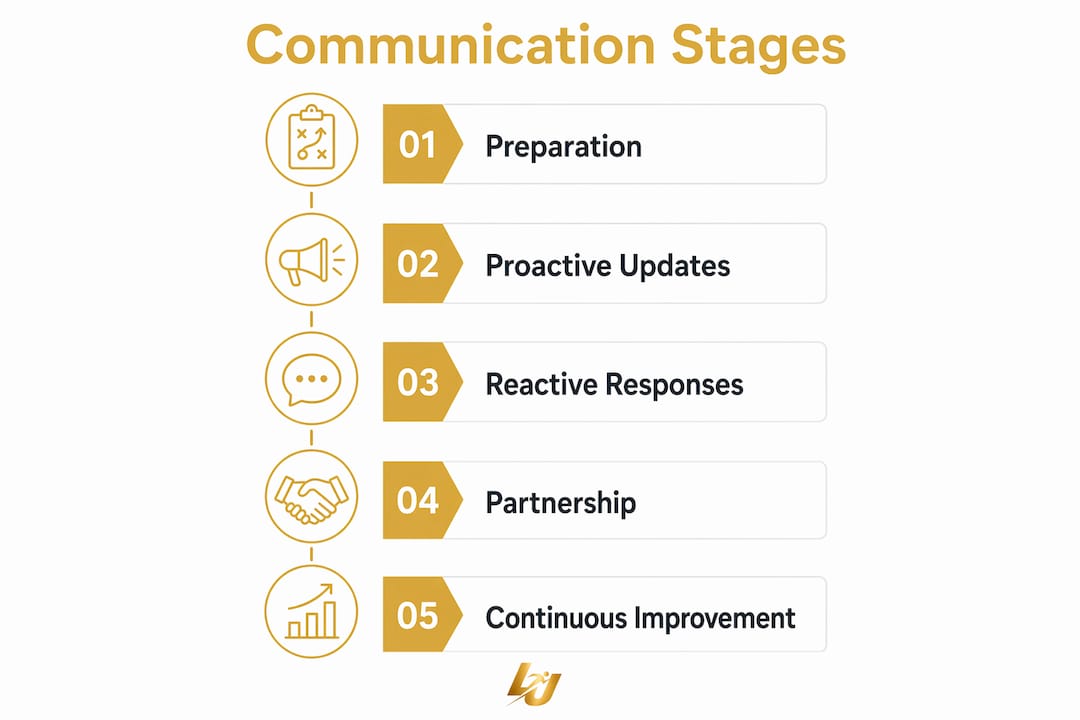
Effective parent communication in sports clubs operates on two distinct timelines: proactive and reactive. Understanding both helps you know what to expect and when to ask for more.
Proactive communication happens before problems arise. It includes:
- Pre-season meetings where coaches share the team’s playing philosophy, training schedules, and developmental goals for the season.
- Regular updates sent weekly or fortnightly, covering session themes, upcoming fixtures, and individual progress notes.
- Written club policies that set clear expectations around attendance, behaviour, and how parents should raise concerns.
- Open-door check-ins where parents can request brief conversations about their child’s progress without waiting for a formal review.
- End-of-season reviews that reflect on the athlete’s growth across technical, social, and emotional dimensions.
Reactive communication responds to specific events. Injury alerts, disciplinary incidents, and sudden schedule changes all fall into this category. The best clubs handle reactive communication with speed and clarity. A factual, calm message sent within hours of an incident is far more reassuring than a vague update sent days later.
The channel matters as much as the content. Sensitive topics such as a child’s behavioural concerns or a playing-time dispute belong in a face-to-face meeting or a private phone call. Group messaging apps are useful for logistics but are the wrong place for anything requiring nuance or confidentiality.
Pro Tip: Ask your child’s club at the start of each season for a written communication plan. If one does not exist, that conversation alone signals to the coaching staff that you value structured dialogue.
Why does effective communication shape your child’s development?
Clear communication between parents and coaches does more than keep everyone informed. It directly influences how a young athlete grows.
A qualitative study of 26 parents and 28 educators in 2026 found that parents value consistent feedback on their child’s social and emotional development alongside technical progress. That means parents are not simply asking “Did they score?” They want to know whether their child is building resilience, learning to handle setbacks, and developing confidence in a team setting.
The benefits of strong parent involvement in sports extend across several areas:
- Motivation: When parents understand a coach’s development plan, they reinforce the same messages at home. That consistency helps athletes stay motivated through difficult patches.
- Behavioural growth: Coaches who communicate openly about conduct expectations give parents the context to support positive behaviour outside training sessions.
- Trust: A parent who feels informed is far less likely to undermine a coach’s authority in front of their child. That trust protects the athlete from conflicting messages.
- Enjoyment: Young athletes whose parents feel confident and calm about the club environment tend to enjoy sport more. Parental anxiety transfers to children faster than most parents realise.
Research confirms that a coach’s communication skill is now considered as fundamental as their technical knowledge for influencing team dynamics and motivation. This is a significant shift in how coaching quality is measured. A technically brilliant coach who communicates poorly will consistently underperform a good communicator with average tactical knowledge.
What are the best ways to communicate with parents in a sports club?
The most effective communication practices share one quality: they treat parents as partners rather than problems to manage.

Empathetic techniques such as open-ended questioning and expressing observations without judgement improve motivation and learning outcomes in sports settings. For parents, this means approaching conversations with curiosity rather than accusation. Instead of “Why is my child not getting more playing time?”, try “Can you help me understand what my child is working on this season?” That single shift in framing changes the entire tone of the meeting.
Clubs benefit from adopting the following practices:
- The 24-Hour Rule: The 24-Hour Rule advises that emotionally charged discussions should be deferred until at least 24 hours after a match. This converts an emotional reaction into a structured, productive conversation. Both parents and coaches benefit from this boundary.
- Nonviolent communication: This approach encourages parents to describe behaviours and feelings rather than assign blame. “I noticed my child seemed upset after Saturday’s session” opens a door. “You handled that situation badly” closes it.
- Scheduled meetings: Face-to-face meetings, even when no problems exist, build the trust needed to navigate harder conversations later. Clubs that only meet parents when something goes wrong miss the chance to establish goodwill in advance.
- Written records: For any formal concern, follow up a verbal conversation with a brief written summary. This protects both parties and ensures nothing is misremembered.
Pro Tip: Before any meeting with a coach, write down three specific observations about your child’s experience rather than three complaints. Coaches respond far better to evidence than to frustration.
What challenges arise in parent-club communication, and how can they be overcome?
Barriers to effective communication are well documented. Unrealistic expectations, mistrust, and prior negative experiences are the most common obstacles on both sides of the conversation.
Parents sometimes arrive at clubs carrying assumptions built from previous coaches, media narratives about elite sport, or their own childhood experiences as athletes. Coaches, meanwhile, may have been burned by aggressive parents in the past and approach all parent contact with defensiveness. Neither starting position serves the child.
| Challenge | Strategy to overcome it |
|---|---|
| Unrealistic expectations | Pre-season meetings that set clear, measurable developmental goals |
| Mistrust from past experiences | Regular, low-stakes updates that build a track record of transparency |
| Miscommunication via digital channels | Reserving sensitive topics for face-to-face or phone conversations |
| Parents feeling excluded | Inviting parents to volunteer at events or contribute to club decisions |
| Coaches feeling undermined | Written communication policies that define acceptable channels and timing |
Digital tools create their own complications. Group chats and social media can spread misinformation quickly and give parents a false sense of access. A message sent at 11PM on a Sunday is not the same as a considered conversation. Clubs that use digital platforms for athlete tracking and scheduled updates reduce the noise by giving parents a single, reliable source of information.
The most productive clubs treat parent engagement as a programme, not an afterthought. They schedule touchpoints, train coaches in communication skills, and create formal channels for feedback. That structure does not restrict dialogue. It makes dialogue safer and more productive for everyone involved.
Key takeaways
Effective parent communication in sports clubs requires proactive structure, empathetic language, and clear boundaries that protect the athlete’s development above all else.
| Point | Details |
|---|---|
| Two-timeline framework | Use proactive updates for planning and reactive messages for incidents, keeping both timely and factual. |
| Skill development over winning | Parents value feedback on social, emotional, and technical growth, not just match results. |
| The 24-Hour Rule | Defer emotionally charged post-match conversations by at least 24 hours to keep dialogue productive. |
| Face-to-face builds trust | Regular meetings, even without problems, create the goodwill needed for harder conversations later. |
| Structure reduces conflict | Written policies and scheduled touchpoints prevent miscommunication and protect both parents and coaches. |
What I have learned about parent communication after years in sport
The conversation about parent communication in sport has shifted considerably over the past decade. When I started working in youth sport environments, the prevailing attitude was that parents should be kept at arm’s length. Coaches were the experts. Parents were the audience. That model failed children quietly and consistently.
What I have observed since is that the clubs with the healthiest cultures are the ones where parents feel genuinely informed. Not consulted on every decision, but informed. There is a difference. A coach does not need to justify every selection choice. But a parent absolutely deserves to understand the developmental philosophy behind how selections are made.
The 24-Hour Rule is one of the most underrated tools in sport. I have seen it defuse situations that would otherwise have ended coaching careers or driven families away from clubs entirely. The rule works not because it delays conflict, but because it changes the nature of the conversation. Anger becomes curiosity. Accusation becomes inquiry.
The other thing I would say to any parent reading this: approach your child’s coach with the assumption that they care. Most do. They are often underpaid, under-resourced, and managing fifteen different personalities in a single training session. A parent who arrives with genuine curiosity about their child’s progress is a gift to that coach. A parent who arrives with a grievance list is a drain. You get better outcomes when you make it easy for the coach to be on your side.
Communication is not a soft skill in sport. It is the foundation on which everything else is built.
— Chris
How Levelup360hq supports parent communication and athlete development
Keeping parents informed and athletes motivated requires more than good intentions. It requires consistent, structured communication backed by real data on each athlete’s progress.

Levelup360hq gives coaches and clubs the tools to make that happen. The platform’s athlete development features include performance analytics, session management, and live player cards that give parents a clear, ongoing picture of their child’s growth across technical and physical dimensions. Parents see progress in real time rather than waiting for a termly report. Coaches spend less time fielding repetitive questions because the data speaks for itself. Explore the Levelup360hq demo to see how structured communication and athlete tracking work together in practice.
FAQ
What is parent communication in a sports club?
Parent communication in a sports club is the structured exchange of information between coaching staff and parents covering schedules, development goals, and incident notifications. It operates on both proactive and reactive timelines to support the athlete’s growth and wellbeing.
How often should a sports club communicate with parents?
Clubs should aim for weekly or fortnightly updates during the season, with immediate notifications for injuries or disciplinary matters. Pre-season meetings and end-of-season reviews provide the broader developmental context.
What is the 24-Hour Rule in sports communication?
The 24-Hour Rule advises parents and coaches to wait at least 24 hours after a match before raising emotionally charged concerns. This prevents unproductive confrontations and leads to more constructive conversations.
Why do parents value communication about social development?
Research from 2026 shows that parents prioritise social and emotional feedback alongside technical progress. They want to know their child is building resilience and confidence, not just improving their technique.
How can clubs reduce conflict with parents?
Clubs reduce conflict by setting written communication policies at the start of each season, holding regular face-to-face meetings, and reserving sensitive topics for private conversations rather than group digital channels.
Recommended
Turn potential into a player card.
LevelUp360 tracks every match, builds your child's player card, and shows their development over time.
Get started free