Help your child earn sports badges: 2026 parent guide
Published 24 June 2026
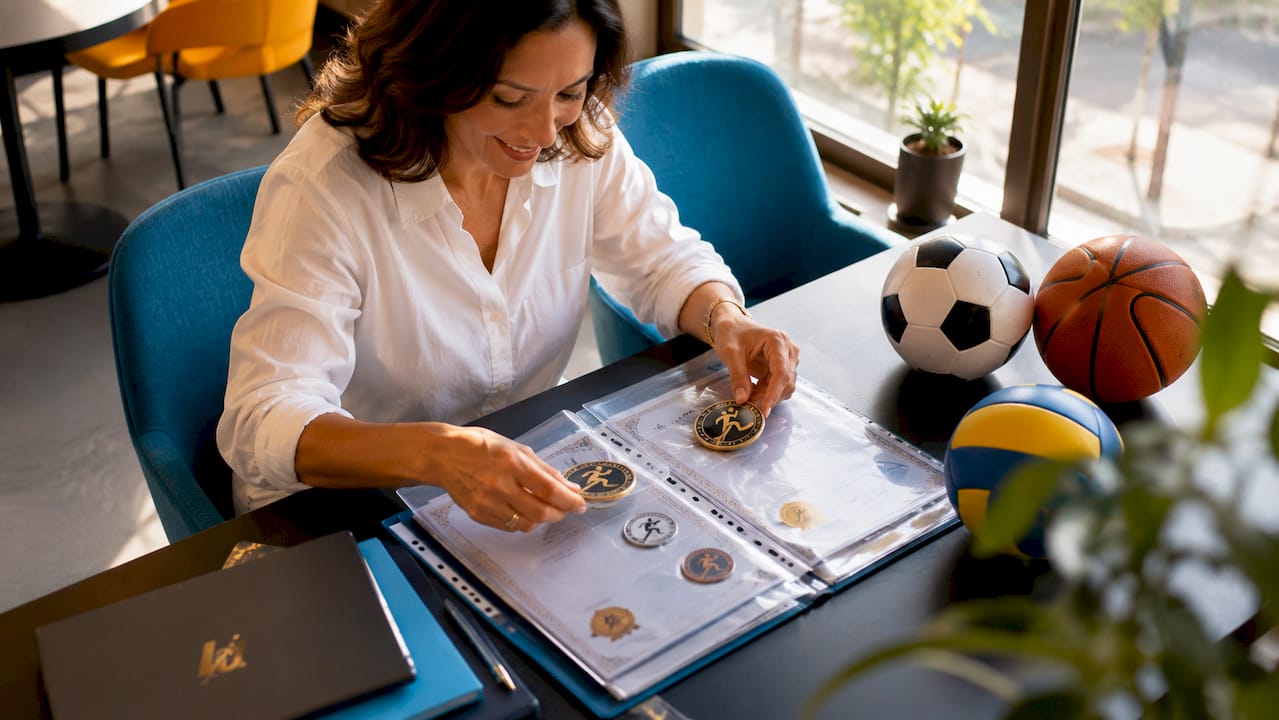
Sports badges are formal recognition awards given to young athletes who meet defined skill, safety, and participation standards in organised sport. They are not participation trophies. Programmes like the Scouts BSA Sports merit badge and the Blue Peter Sports badge require documented training, safety knowledge, and competition in officially scored events. To help your child earn sports badges, you need a plan covering the right equipment, a training log, qualifying competitions, and a counsellor review. This guide gives you every step.
What does your child need to earn sports badges?
The requirements for sports badges are more specific than most parents expect. The Scouts BSA Sports merit badge requires your child to explain injury risks, demonstrate first aid knowledge for sprains, strains, concussions, and dehydration, and show they understand sports safety concepts. That is a knowledge test, not just a participation record. Your child must be able to talk through what they know, not simply show up to training.
Beyond safety knowledge, the badge demands structured participation. Your child must choose two sports and take part in at least four structured, officiated, scored games or meets across a 3–4 month season. Eligible sports include football, basketball, swimming, and wrestling. A counsellor must approve any sport not on the standard list.
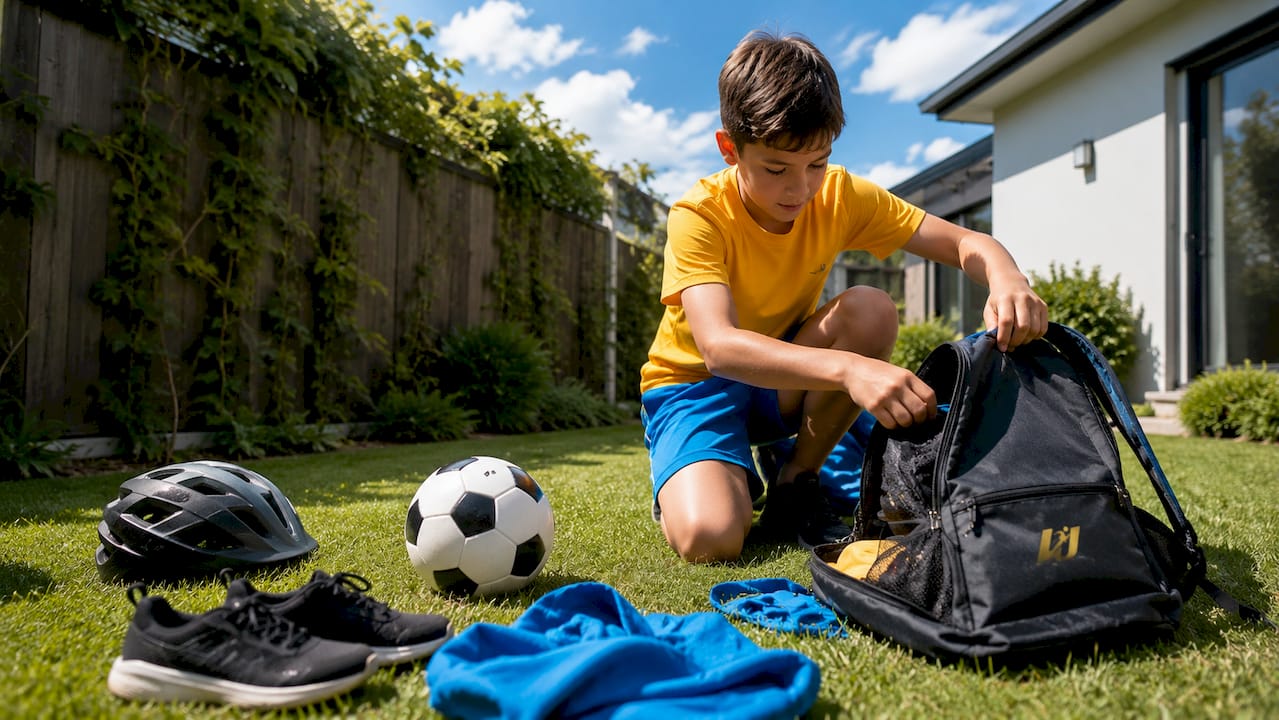
Equipment matters too. The multisport merit badge requires a swimsuit, bike, properly fitted helmet, and running shoes, along with a four-week training plan completed before the event. Safety gear is not optional. A helmet that does not fit correctly can disqualify a child from badge credit, regardless of their performance.
Comparison of common badge programmes and their core requirements
| Programme | Sports required | Minimum events | Key documentation |
|---|---|---|---|
| Scouts BSA Sports merit badge | 2 sports | 4 scored games or meets | Training chart, counsellor discussion |
| Blue Peter Sports badge | 1 sport | Achievement or participation | Written evidence or letter from coach |
| Multisport merit badge | 3 disciplines | Completion of event | Four-week training log |
The table above shows that every programme demands some form of written record. Parents who assume a completed season is enough will find their child ineligible at the final review stage.
Key requirements at a glance:
- Documented safety and first aid knowledge
- Participation in officially scored, officiated events
- Appropriate safety equipment for each sport
- A completed training chart or log
- A counsellor or coach review discussion
How do you create a training plan and track progress?
A training plan for badge work is not the same as a general fitness schedule. It must align with the specific skills the badge assesses. Start by listing the exact requirements for your child’s chosen badge, then build weekly practice sessions around each one.
Designing a home practice routine that reinforces self-regulation and persistence produces measurable gains in skill acquisition. Practice frequency at home correlates directly with better performance and badge progress. A child who practises for 20 minutes four times a week builds more consistent skill than one who trains for 90 minutes once a week.
Your training chart is the most important document in the badge process. The Scouts BSA guidance specifies that the chart must track minutes practised, sessions completed, and notes on physical and mental progress across roughly four months. Date every entry. Record outcomes, not just attendance.
- List all badge skill requirements before writing a single session plan.
- Assign one or two skills to each weekly practice block.
- Record the date, duration, and outcome of every session on the training chart.
- Add a short note on how your child felt physically and mentally after each session.
- Review the chart monthly and adjust the plan if progress stalls.
Pro Tip: Integrate short daily skill drills of 10–15 minutes at home. Daily home practice builds the persistence and self-regulation that badge counsellors look for during the final review discussion.
What counts as an official competition for badge eligibility?
Not every game your child plays counts toward badge credit. An official qualifying event is a structured, officiated, scored contest. Informal kickabouts, training scrimmages, and friendly matches without a referee or score record do not qualify. This is the single most common mistake parents make.
Qualifying events include league matches, club tournaments, school sports meets, and sanctioned swimming galas. The key criteria are a referee or official, a recorded score, and an organised structure. If your child’s club runs internal scrimmages without scores, those sessions build skill but do not count toward the minimum four events.
Pro Tip: Schedule qualifying events at the start of the season, not the end. Leaving four official games to the final weeks of a season creates unnecessary pressure and risks falling short if any event is cancelled.
Planning the competition calendar is a parent’s job, not the club’s. Check the fixture list at the start of the season and mark every officially scored match. If your child’s regular club schedule does not include four qualifying events, supplement it with a local tournament or a school sports day that meets the criteria.
Qualifying event checklist:
- A referee or official is present throughout
- A final score is recorded and available
- The event is organised by a club, school, or governing body
- Your child participates for the required duration
- The event falls within the badge’s defined season window
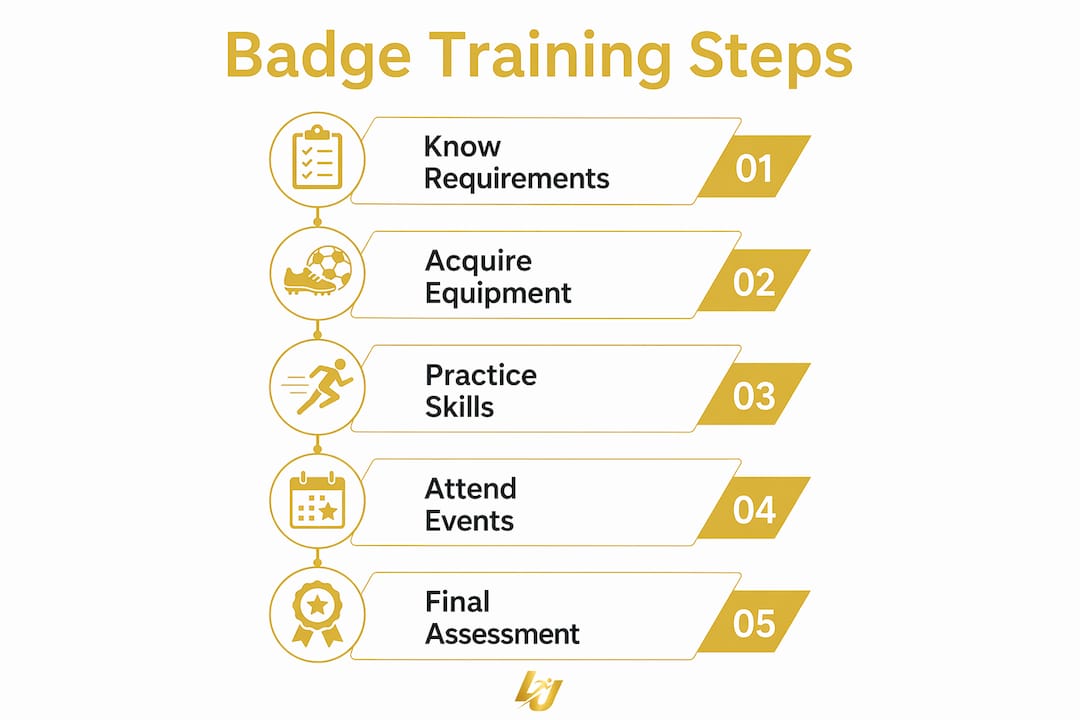
How do you support your child through the final badge assessment?
The counsellor review is not a formality. It is a structured discussion where your child must demonstrate knowledge and reflect on their experience. Preparing your child for this conversation is as important as the training itself. A child who has trained consistently but cannot articulate what they learned will struggle.
Walk through the training chart with your child before the review. Ask them to explain what improved over the season, what injuries they learned to prevent, and how sport affected their mood and energy levels. These are the exact questions a counsellor will ask. Practising the answers at home removes the nerves from the actual meeting.
- Review the completed training chart together at least one week before the counsellor meeting.
- Ask your child to describe the mental and physical effects of their training in their own words.
- Test their first aid knowledge using the badge requirements as a checklist.
- Prepare a brief summary of the four qualifying events, including dates and scores.
- Check that all documentation is dated, legible, and complete before submission.
Common mistakes at this stage include submitting an incomplete training chart, failing to record event dates and scores, and allowing the child to attend the review without preparation. A counsellor who receives a chart with missing entries will ask for more evidence. That delays the badge and demoralises the child.
How does recognition beyond badges keep children motivated in sport?
Sports badges are one form of recognition, but they are not the only one that matters to a child. Recognition programmes that acknowledge effort, improvement, teamwork, and character motivate young athletes far more effectively than awards tied solely to winning. A child who receives recognition for persistence or sportsmanship is more likely to stay engaged across multiple seasons.
Organised sport participation improves self-esteem, social belonging, and psychological health in children. Team sports show particularly strong social and mental benefits. These gains support the badge-relevant social skills that counsellors assess, including communication, cooperation, and resilience.
Pro Tip: Celebrate small wins throughout the season, not just at badge award time. Acknowledging a personal best, a new skill mastered, or a moment of good sportsmanship reinforces the behaviours that lead to badge success.
Recognition ideas that work alongside formal badge programmes:
- Most improved player awards at the end of each term
- Effort certificates signed by the coach after a difficult match
- A personal progress board at home showing training milestones
- Team recognition for collective achievements like a winning streak or a clean sheet
- A season summary letter from the parent noting specific moments of growth
These methods cost nothing and produce a measurable lift in motivation. A child who feels seen for their effort, not just their results, is a child who keeps showing up.
Key takeaways
Helping your child earn sports badges requires structured training, documented qualifying competitions, thorough safety knowledge, and a prepared counsellor review, not simply completing a season.
| Point | Details |
|---|---|
| Know the exact requirements | Each badge programme specifies safety knowledge, event minimums, and documentation standards. |
| Build a dated training chart | Record minutes, sessions, and mental and physical notes across the full badge season. |
| Schedule official events early | Qualifying events must be scored and officiated; plan four into the season from the start. |
| Prepare for the counsellor review | Practise the discussion at home using the training chart as a reference. |
| Recognise effort, not just results | Broader recognition of improvement and teamwork sustains motivation beyond badge deadlines. |
What I have learned from watching parents get this wrong
The parents who struggle most with the badge process are the ones who treat it like a school project left until the last week. They assume a busy season of training automatically qualifies their child. It does not. The documentation gap is where most badge attempts fall apart.
The most effective parents I have seen treat the training chart like a coaching tool, not a form to fill in at the end. They sit with their child after each session, ask two or three questions about how it went, and write the answers down together. That habit does two things. It builds the reflective skills the counsellor will test, and it keeps the child emotionally connected to their own progress.
The other pitfall is focusing entirely on the badge and losing sight of the sport. A child who feels pressured to perform for a badge rather than for the love of the game will disengage. The badge should follow the sport, not drive it. When parents get that balance right, the documentation almost takes care of itself because the child is genuinely engaged and has real experiences to reflect on.
Mastery over winning is the mindset that produces badge success. A child who focuses on getting better at a specific skill will accumulate the evidence a counsellor needs. A child who focuses only on match results will have a thin training chart and a difficult review conversation.
— Chris
Levelup360hq: track your child’s badge progress in one place
Parents who manage training logs, competition records, and skill assessments across multiple notebooks and spreadsheets lose time and miss entries. Levelup360hq brings all of that into one place.

The Levelup360hq platform supports training log management, performance tracking, and event scheduling across football, cricket, netball, rugby, and more. Parents and coaches can record session outcomes, track skill development over time, and maintain the kind of dated, detailed records that badge counsellors expect. The interactive demo shows exactly how the tracking tools work before you commit to anything. If your child is working toward a sports badge this season, Levelup360hq gives you the structure to support them properly.
FAQ
What is the Scouts BSA Sports merit badge?
The Scouts BSA Sports merit badge is a formal achievement award requiring youth to demonstrate sports safety knowledge, participate in at least four scored events across two sports, and complete a training chart reviewed by a counsellor.
How many official events does my child need for a sports badge?
The Scouts BSA Sports merit badge requires a minimum of four structured, officiated, scored games or meets across a 3–4 month season. Informal scrimmages and unscored training sessions do not count.
What should a training chart include?
A training chart must record the date, duration, and outcome of each practice session, along with notes on the child’s physical and mental progress throughout the badge season.
How do I motivate my child during badge training?
Sport psychology research shows that reinforcing self-regulation and persistence at home improves both performance and motivation. Recognising effort, improvement, and teamwork alongside formal badge milestones sustains long-term engagement.
Can any sport qualify for a sports badge?
Most badge programmes list approved sports, including football, basketball, swimming, and wrestling. A counsellor must approve any sport not on the standard list before participation counts toward badge credit.
Recommended
Turn potential into a player card.
LevelUp360 tracks every match, builds your child's player card, and shows their development over time.
Get started free