Benefits of badge systems in youth sports: 2026 guide
Published 14 June 2026

Badge systems in youth sports are structured achievement frameworks that visually recognise milestones, skills, and behaviours to drive motivation and track development. The benefits of badge systems in youth sports extend far beyond handing out stickers. When designed around Self-Determination Theory and the Sport Education Model, they satisfy core psychological needs, autonomy, competence, and relatedness, that research consistently links to long-term athletic engagement. Platforms like Levelup360hq have built entire athlete development ecosystems around this principle, making badge earning in sports a measurable, transparent, and genuinely motivating experience for athletes, coaches, and parents alike.
1. how badge systems boost intrinsic motivation in youth sports
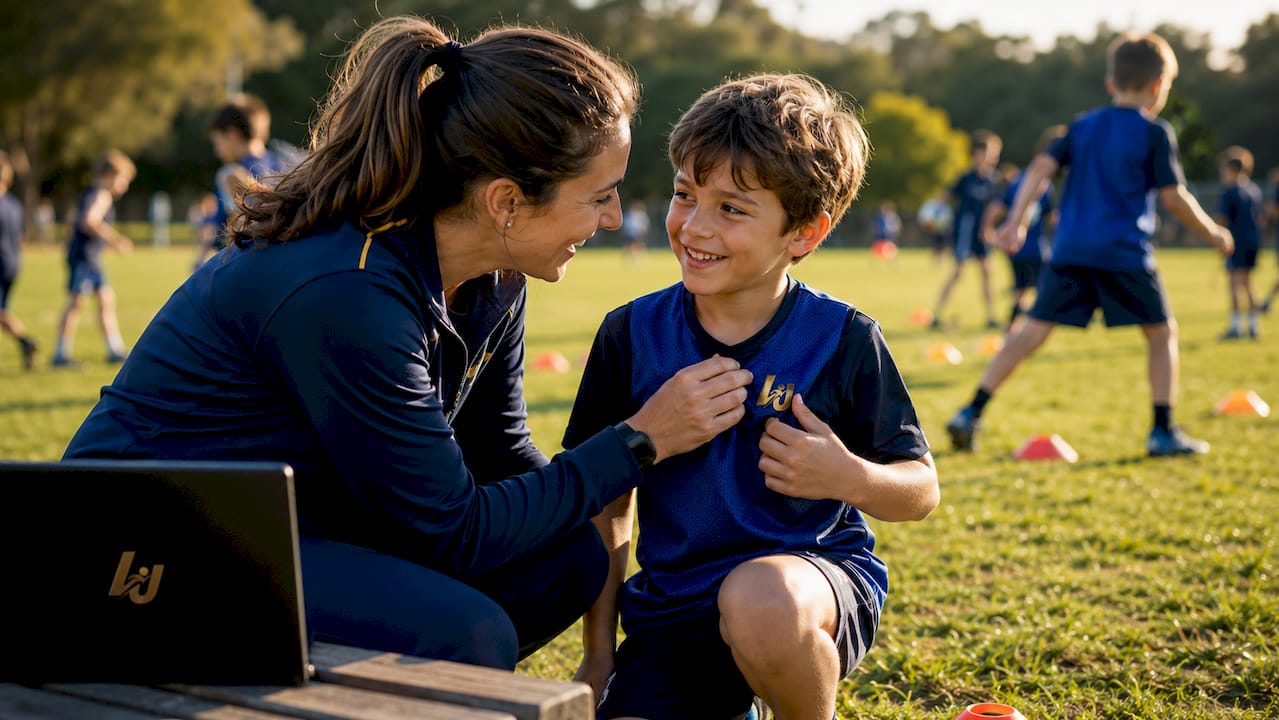
Intrinsic motivation is the gold standard in youth sport development. A 2026 meta-analysis found that motivational climate has the strongest association with intrinsic motivation in youth sports, reporting a correlation of r=0.42. That figure tells coaches one thing clearly: the environment you create matters more than the trophy you hand out.
Self-Determination Theory, developed by psychologists Edward Deci and Richard Ryan, identifies three core psychological needs that drive intrinsic motivation:
- Autonomy: Athletes feel they have genuine choice over their development path.
- Competence: Athletes receive clear, credible evidence that their skills are improving.
- Relatedness: Athletes feel connected to teammates, coaches, and the wider programme.
Badge systems satisfy all three needs when designed thoughtfully. Research with 174 participants confirmed that gamification supporting SDT needs increases intrinsic motivation, with autonomy supported by choice options and competence reinforced by points and achievement markers. Badges are not just rewards. They are informational signals that tell a young athlete, “You have genuinely improved.”
Pro Tip: Design badge criteria around observable skill processes, such as completing 20 accurate passes in a session, rather than outcomes like winning a match. Process criteria give athletes control over their progress.
2. best practices for designing effective badge systems
Effective badge design is the difference between a system that motivates and one that quietly demotivates. The Sport Education Model, included in a 2026 umbrella review as an effective programme for youth sport motivation, grounds its approach in autonomy-supportive design. Coaches and administrators should follow the same logic.
Here are the core design principles that produce results:
- Base badges on mastery, not competition. Tie each badge to a specific skill threshold or behaviour, not to finishing first or outperforming a teammate.
- Write clear, observable criteria. Vague goals undermine competence. “Demonstrates correct defensive stance in three consecutive drills” is measurable. “Shows good defending” is not.
- Offer multiple badge pathways. Autonomy satisfaction is supported most strongly by providing options. Let athletes choose which skill area to pursue next.
- Build in frequent feedback loops. Badges should not arrive as a surprise at the end of a season. Short feedback cycles keep athletes engaged and aware of their progress.
- Store evidence digitally. Link each badge to recorded assessments, video clips, or session data so athletes and parents can review the journey, not just the outcome.
- Avoid status-only badges. Badges that signal rank or social standing trigger ego climates and negative social comparison. Keep the focus firmly on personal growth.
Pro Tip: Review your badge catalogue every season. Remove any badge that athletes describe as “impossible” or “pointless.” Both extremes signal a design problem, not an athlete problem.
3. how badge systems improve performance tracking and parent communication
One of the most underused benefits of youth sports achievement systems is their capacity as a communication tool. Badges linked to time-bounded, observable assessments create a longitudinal record of development that coaches, athletes, and parents can all read clearly.
Digital platforms transform this process. When a badge is awarded through a platform like Levelup360hq, it carries attached evidence: a video assessment, a session rating, or a coach note. Parents no longer have to rely on a vague post-training summary. They can see exactly which skill was assessed, when it was assessed, and what the next milestone looks like.
The motivational benefit here is indirect but significant. Badge tracking boosts performance indirectly by improving motivation and self-efficacy before measurable outcomes appear. Coaches who understand this sequence stop expecting badges to produce instant performance gains. Instead, they use them to build the motivational foundation that makes performance gains possible.
Key operational advantages of digital badge tracking include:
- Transparent progress records visible to athletes and parents at any time.
- Multi-season data that shows development trends beyond a single training block.
- Coach efficiency through structured approval workflows rather than informal verbal feedback.
- Parent engagement through clear, evidence-backed milestone notifications.
| Tracking Feature | Benefit for Coaches | Benefit for Parents and Athletes |
|---|---|---|
| Digital evidence storage | Reduces admin and supports assessment accuracy | Provides clear proof of skill development |
| Multi-season records | Identifies long-term progress patterns | Builds athlete confidence through visible growth |
| Approval workflows | Standardises assessment across coaching staff | Ensures consistent, fair recognition |
| Real-time notifications | Flags athletes needing additional support | Keeps families engaged between sessions |
4. common pitfalls to avoid when implementing badge systems
Badge systems fail most often not because the concept is flawed, but because the implementation ignores the psychology behind motivation. Controlling external rewards like expected, tangible badges undermine intrinsic motivation when athletes perceive them as pressure rather than recognition. That distinction matters enormously in practice.
The most damaging pitfalls coaches and administrators encounter include:
- Framing badges as scarce trophies. When only the top three athletes earn a badge, you have created a competition, not a development tool. Task and mastery climates show stronger positive effects on motivation than ego and performance climates.
- Using one-size-fits-all badge structures. A badge pathway designed for a 16-year-old academy player will not suit a 9-year-old beginner. Rigid structures remove the autonomy that makes badge systems work.
- Relying on expected, tangible rewards. Traditional controlling rewards like stickers or prizes can undermine long-term motivation, whereas unexpected positive feedback and informational praise supports it.
- Neglecting athlete perception. A badge that athletes view as meaningless or unfair does more harm than no badge at all. Coaches should check in regularly to understand how athletes interpret the system.
- Ignoring social comparison risks. Leaderboards and public rankings attached to badge counts create the ego climate that research consistently identifies as harmful to youth sport motivation.
The fix is straightforward. Design badges to be perceived as feedback on growth and mastery, not as pressure to comply or status symbols. That framing shift changes everything about how athletes engage with the system.
5. traditional recognition vs badge systems: which works better?
Traditional recognition methods in youth sport, verbal praise, end-of-season trophies, and coach-selected player awards, have genuine value. They are also limited in ways that structured badge systems are not. The comparison below makes the practical differences clear.
| Feature | Traditional Recognition | Badge Systems |
|---|---|---|
| Frequency | Occasional, often seasonal | Continuous throughout the programme |
| Criteria transparency | Often subjective or unclear | Defined, observable, and shared in advance |
| Autonomy support | Low, coach decides who is recognised | High, athletes choose their development path |
| Competence feedback | General praise | Specific, skill-linked evidence |
| Parent visibility | Limited to verbal updates | Digital records accessible at any time |
| Scalability | Difficult across large squads | Scales across any squad size digitally |
| Long-term tracking | Rarely maintained | Stored across multiple seasons |
Traditional methods work well as a complement to badge systems, not as a replacement for them. A coach who praises an athlete verbally and then awards a badge linked to a recorded assessment delivers both emotional recognition and credible evidence of growth. The combination is more powerful than either approach alone.
Spirit wear and team identity tools, such as those explored by RNK Apparel Co., show how physical recognition artefacts can reinforce team belonging when paired with structured achievement systems. The key is that physical items support the psychological framework rather than replace it.
Key takeaways
Badge systems in youth sports produce the strongest motivational outcomes when they are built around mastery criteria, athlete autonomy, and transparent digital tracking rather than competitive ranking or status-based rewards.
| Point | Details |
|---|---|
| Mastery-focused design | Base badge criteria on observable skill processes, not competition outcomes, to build genuine competence. |
| Autonomy through choice | Offer multiple badge pathways so athletes direct their own development and stay intrinsically motivated. |
| Digital tracking builds trust | Platforms like Levelup360hq store evidence-backed badge records that parents and athletes can access at any time. |
| Avoid ego-climate traps | Scarce, rank-based badges trigger negative social comparison and undermine the motivation you are trying to build. |
| Indirect performance gains | Badge systems improve motivation and self-efficacy first; measurable performance gains follow as a result. |
Why badge design is the coaching decision most programmes get wrong
I have worked with youth sports programmes across football, cricket, and netball, and the pattern is almost always the same. Coaches invest real thought into training sessions and almost none into how they recognise progress. The badge system gets bolted on at the end, usually as a seasonal trophy with a different name.
The research is unambiguous. Badges that reinforce competence and autonomy rather than ego or social comparison produce lasting motivational gains. Yet most programmes I have seen still design their badge systems around who is best, not who has grown most. That is a fundamental misunderstanding of what badges are for.
The programmes that get it right share one characteristic. They treat badge design as a coaching decision, not an administrative task. They write criteria in pre-season, share them with athletes and parents on day one, and review them honestly at the end of each block. They also use digital tools to make the evidence visible. When a parent can log in and see that their child earned a passing accuracy badge because of three specific assessed sessions, the conversation at home changes completely.
My honest recommendation is this: before you launch any badge system, ask every athlete in your squad what they think it means to earn a badge in your programme. Their answers will tell you everything about whether your current system is building motivation or quietly eroding it.
— Chris
Track every badge, every milestone, with Levelup360hq
Levelup360hq is built for exactly the kind of badge system this article describes. The platform combines athlete development tools with digital badge tracking, video assessments, approval workflows, and parent-facing progress records across football, cricket, netball, and rugby.

Coaches can design mastery-oriented badge pathways, attach evidence to every award, and give athletes real ownership of their development through live player cards and XP-driven challenges. Parents stay informed without a single extra email. If you want to see how it works in practice, the interactive demo walks you through the full badge and tracking experience. No commitment required.
FAQ
What is a youth sports badge system?
A youth sports badge system is a structured achievement framework that awards visual recognition for specific skills, behaviours, or milestones. Effective systems link each badge to clear, observable criteria and store evidence of progress digitally.
Do badge systems actually improve motivation in young athletes?
Yes. Research shows that gamification aligned with SDT needs increases intrinsic motivation when badges support autonomy and competence rather than external pressure. The motivational climate created by the badge system matters as much as the badge itself.
How should coaches avoid badge systems becoming demotivating?
Coaches should avoid expected, tangible rewards framed as status symbols and instead design badges as informational feedback on mastery. Controlling reward structures that create pressure rather than recognition are the primary cause of motivation loss.
Can badge systems help with parent communication?
Badges linked to digital evidence storage give parents a transparent, ongoing record of their child’s development. This replaces vague verbal updates with specific, skill-linked progress data that parents can review between sessions.
What sports can use badge systems effectively?
Badge systems work across any sport where skill development can be broken into observable, measurable criteria. Platforms like Levelup360hq currently support football, cricket, netball, and rugby with the same badge and tracking framework.
Recommended
Turn potential into a player card.
LevelUp360 tracks every match, builds your child's player card, and shows their development over time.
Get started free